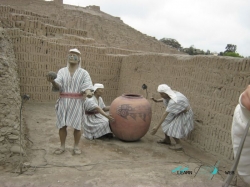
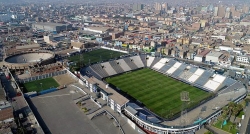
Miraflores is often introduced to visitors through its cafés, hotels and ocean views, yet the district is more than a convenient base in Lima. It brings together an archaeological landscape more than a millennium old, a modern civic centre, parks on the Pacific cliffs and a history that includes one of the capital’s defining nineteenth-century battles. The municipality’s legal date of foundation is 2 January 1857, but evidence uncovered in the district shows that human history here reaches much further back. For a traveller, that contrast is the key to reading Miraflores: a contemporary neighbourhood layered over older worlds.
The district sits south of Lima’s historic centre, facing the Pacific and forming part of metropolitan Lima. Its main attractions are spread across several blocks and along a long coastal edge rather than contained in one enclosed complex. Visitors can move from the central parks to the clifftop promenade, then make a separate trip inland to the Huaca Pucllana archaeological site. That arrangement makes Miraflores well suited to a day of independent exploring, but it also means that walking distances, traffic and the time needed for a museum visit should be allowed for when planning a route.