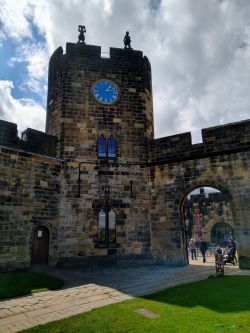
Kirkstall Abbey stands in a public park on the north bank of the River Aire, northwest of Leeds city centre. Its roofless church, cloister and surviving monastic buildings are not isolated in countryside: the ruins sit inside a modern urban landscape, where paths and green space make the abbey part of an ordinary day out. That setting helps visitors see the site both as a medieval religious community and as a long-lived piece of Leeds history.
Leeds Museums and Galleries dates the foundation to 1152 and identifies the community as Cistercian monks who came from Fountains Abbey. In the museum’s visitor-centre history, curator Kat explains that the land was secured by Henry de Lacy, Baron of Pontefract, after he vowed to establish an abbey if he recovered from serious illness. An earlier attempt to settle at Barnoldswick failed; the monks then established their community at Kirkstall. The account links a personal act of patronage to the construction of an institution that would shape the area for centuries.