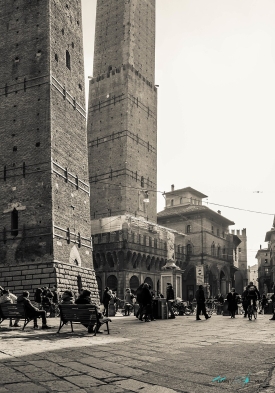
Modena Cathedral is not an isolated church set apart from civic life. It stands with the Ghirlandina bell tower and Piazza Grande at the centre of a compact ensemble that UNESCO inscribed as a World Heritage property in 1997. The cathedral, civic tower, square and surrounding public buildings show how religious and communal life were intertwined in a medieval Italian city. The square remains part of the everyday historic centre, while the cathedral continues to function as a place of worship. That combination gives the visit its character: this is both a major work of Romanesque art and a living church in a busy urban setting.
The cathedral is dedicated to the Assumption of the Virgin Mary and Saint Geminianus, Modena’s patron saint. UNESCO notes that the building preserves the saint’s remains and that the complex reflects the authority of the Canossa dynasty, which commissioned the work. The setting along the old Via Emilia also links the monument to the movement of people through the city. Visitors can appreciate the buildings from the open square before entering the cathedral, where the scale and sculptural details become more intimate. Planning time for both views helps explain why the World Heritage listing covers more than the church alone.