Serra do Divisor National Park: rainforest journeys in Brazil’s Acre state
A remote park at the meeting of watersheds
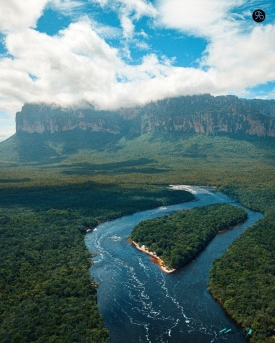
In Brazil’s far-western state of Acre, Serra do Divisor National Park protects a large section of Amazonian forest along the Peruvian frontier. Its name refers to a geographic divide: the uplands separate waters flowing toward Peru’s Ucayali basin from those feeding the upper Juruá in Brazil. The park was created by federal decree in 1989 and covers roughly 837,555 hectares according to Brazil’s botanical and conservation records. This is not a roadside reserve with a staffed gate and a quick loop trail. It is a remote landscape where the river is a transport corridor and arranging a local host is part of responsible planning.
The park spans a region whose forests, rivers and foothills meet at the western edge of the Amazon. That geography helps explain why a visit feels different from a conventional national-park day trip: distances are long, services are limited, and weather or river conditions shape how a journey unfolds. Mâncio Lima is the practical starting point for many community-based trips described by Acre’s tourism authorities. From there, visitors generally continue by boat toward the Serra do Moa area rather than driving to a central visitor entrance. Confirm transport, lodging and trip duration with local operators before setting out.
Forest, waterfalls and community knowledge
Travel accounts and government tourism guidance describe a mix of river scenery, forest walks, viewpoints and waterfalls. Named attractions include Pirapora I, Pirapora II, Cachoeira do Amor, Cachoeira do Ar-Condicionado and Cachoeira Formosa. These are not interchangeable stops beside a paved road: access depends on the route, water level, trail conditions and the time available. Longer outings may require an overnight stay in the forest, while shorter routes can be planned with local guides. Treat names and travel times as starting points for a conversation with the people organizing the trip, not as a promise that every trail is open on a particular date.
Community-based tourism is central to the visitor experience. State reporting describes local families operating small lodges and working with guides and boat services, while tourism plans have focused on improving how community businesses receive guests. Booking through a local operator can connect transport, meals, guiding and accommodation into one itinerary and helps travelers understand what is included. Ask whether a package includes the river journey, meals, guide, overnight stay and any conservation or community fees. Public pages do not provide a dependable, standardized price list, so a written quote is more useful than relying on old social-media posts.
Why the landscape matters
The park is more than a dramatic backdrop. It safeguards a large Amazonian protected area and habitats that remain incompletely documented. Brazil’s botanical database, for example, records the tree Schefflera prancei from Serra do Moa and notes that its known distribution is unusually restricted. A single species cannot represent the park’s full biodiversity, but it illustrates why researchers continue to study the region and why visitors should avoid collecting plants, disturbing wildlife or leaving established routes. The area’s ecological value is tied to intact forest as well as to the river systems that sustain communities.
Local knowledge is equally important to understanding the place. Residents and community tourism groups know the practical rhythms of river travel and the locations where a walk or waterfall visit is feasible. Their role is not simply to escort visitors through scenery: community tourism has been presented by Acre authorities as a way to create local income while valuing the forest that supports it. A respectful traveler follows the guide’s advice, asks before photographing people or homes, and treats the landscape as a lived-in region rather than an empty wilderness. Avoid promising wildlife sightings; observing animals is an opportunity, never a guarantee.
How to organize a visit
Begin by contacting a locally managed lodge or community tourism association and asking what is operating for your intended dates. Confirm the pickup point in Mâncio Lima, boat departure time, journey duration, lodging, meals, guide, payment method and return plan. Because river transport is essential, a schedule can change with conditions; leave flexibility in onward flights or bus connections. The Acre government has reported continuing efforts to structure community tourism, but that does not mean every service runs daily or that a walk-up booking is possible. Secure arrangements in advance and keep the operator’s contact information accessible during travel.
There are no conventional city-style opening hours, ticket booth or reliable walk-in visitor timetable published for the park’s remote routes. Do not assume that a map point marks a public entrance or that a waterfall is reachable without a guide. Bring suitable footwear, rain protection, drinking water and any personal medication advised by your host; follow local instructions about food storage, wildlife and waste. Before departure, check current guidance with ICMBio and the local operator, since access conditions and conservation rules can change. The reward is a deeper encounter with Acre’s rainforest and the people who know it, but the trip works best when logistics and expectations are handled with care.