About Michigan Stadium
The Big House on the University of Michigan campus
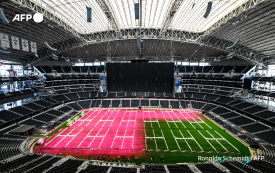
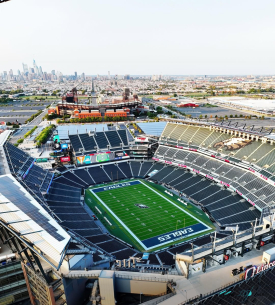
Michigan Stadium, widely known as “The Big House,” is the home field of the University of Michigan football team in Ann Arbor. Its address is 1201 South Main Street, on the university’s athletic campus south of central Ann Arbor. With an official capacity of 107,601, it is the largest college-owned football stadium in the United States and one of the world’s largest sports venues. The scale can be hard to read from outside: the design places spectators close to the field and uses a broad bowl rather than a towering enclosed façade. On a fall Saturday, the surrounding streets and campus become part of the event experience.
The stadium’s story began before its first kickoff. On April 22, 1926, the university’s Board of Regents authorized athletic director and coach Fielding H. Yost to proceed with construction. Michigan played its first game there on October 1, 1927, beating Ohio Wesleyan 33–0; the stadium was formally dedicated on October 22 in a game against Ohio State. The original plan seated 72,000, but the facility was built with room for future growth. Its capacity has changed repeatedly over the decades, reaching today’s 107,601 in 2015. Michigan Athletics plans a year-long centennial celebration during summer and fall 2027.
More than a football bowl
Football gives the stadium its central identity, but Michigan Stadium has hosted other large gatherings. The university lists college hockey events, the 2014 NHL Winter Classic and international soccer matches among them. It also began hosting concerts in 2025: the university reported that Zach Bryan’s September 27 performance drew 112,408 ticketed attendees, a record-setting crowd for a ticketed concert in the United States. These uses reveal why the venue is planned around a huge open seating bowl: it can become a field for a different sport or a concert floor while retaining the scale that defines the Big House.
The stadium is most closely associated with the Wolverines’ long football tradition and the atmosphere of home Saturdays. Michigan Athletics reports a current capacity of 107,601 and a record football crowd of 115,109 for the 2013 game against Notre Dame. That figure is an attendance record, not the present seating capacity. Separating the two numbers helps explain why historical crowd claims can exceed the official capacity: event attendance records and the regular seating configuration are not the same measure. Fans planning a visit should use the current capacity and game-day guide, not assumptions drawn from an old headline.
How to visit or take a guided tour
Michigan Stadium is not open for casual walk-in sightseeing, exercise or photo sessions. The university does arrange guided tours for a fee, usually on weekdays, through its Special Events and facility-rental operation. Requests for large groups of ten or more must be submitted at least two weeks in advance; availability depends on staffing, season and other stadium commitments. Tours may include views of the playing field and behind-the-scenes spaces, but the route and access are not guaranteed to be identical on every date. Anyone hoping to stand on the field for a photograph or private gathering must arrange that separately rather than expect it as part of ordinary entry.
The university’s published 2026 tour pricing lists $20 per person for visitors aged four and older, with children three and under free. Eligible nonprofit organizations or university groups of eleven or more may qualify for a $10 rate when paying through the specified institutional process; weekend and specialty tours can cost more. The university says visitors should bring their own wheelchair, walker or cane, and requests involving service animals need advance coordination. Reservations are subject to confirmation and payment deadlines, and purchased tickets are non-refundable. Check the facility-tour page for open dates, group limits, route details and current terms before traveling to Ann Arbor.
Game-day planning for 2026 and beyond
At the time of review, the official 2026 schedule listed upcoming home games against Penn State on October 17, Indiana on October 24, Michigan State on November 7 and UCLA on November 21. Kickoff times for some games were still to be announced, and the athletics department warns that the schedule can change. Single-game ticket prices vary by opponent; the published sales announcement listed Penn State tickets starting at $100. Confirm the live schedule and ticket inventory before booking travel. A game ticket, rather than the stadium’s presence on a map, is what grants entry to a home Saturday.
The 2026 visitor guide advises downloading mobile tickets before arrival, checking parking and accessibility arrangements, and allowing extra travel time. General-public gates usually open two hours before kickoff. Michigan Stadium has a strict no-bag policy: bags, including purses and clear bags, are generally prohibited, with inspected exceptions for approved medical or childcare needs. Water bottles and other items may also be restricted under the current prohibited-items list. Ann Arbor’s campus is busiest around kickoff, so identify the correct gate and parking area in advance. Whether you come for a game, an arranged tour or the 2027 centennial, the Big House is best experienced as an active university venue: respect event-day rules and let its immense scale, campus setting and long history tell the story.