Pampa de Ayacucho, Peru: history, Quinua and the 1824 battlefield
A highland plain with continental history
The Pampa de Ayacucho Historic Sanctuary, also known as the Pampa de la Quinua, lies near the town of Quinua in Peru’s Ayacucho region. The protected area preserves the landscape associated with the Battle of Ayacucho, fought on 9 December 1824. Peru’s SERNANP says the battle and the subsequent capitulation signed there sealed the independence of the Americas from Spanish rule. Visiting the site is therefore less about a conventional monument trail than about understanding a broad, open battlefield whose terrain framed a decisive moment in South American history.
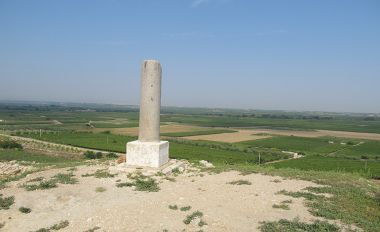
The sanctuary sits on an elevated plain near the Condorcunca hill, about 37 kilometres from the city of Ayacucho. SERNANP describes it as both a historic setting and a natural viewpoint over the surrounding countryside. The broad ground can feel quiet today, but the landscape is part of the story: slopes and open approaches help visitors imagine the scale of a battle involving armies moving across a high Andean plain. The experience is strongest when the visit leaves room for interpretation rather than reducing the event to a single dramatic anecdote or an unverified legend.
The battle, the capitulation and the obelisk
The Battle of Ayacucho took place on 9 December 1824. Official Peruvian accounts identify it as a decisive engagement in the independence struggle and note that the capitulation was signed after the fighting. The name “Pampa de la Quinua” connects the battlefield with nearby Quinua, while “Pampa de Ayacucho” is the name used for the historic sanctuary. Reading both names helps orient visitors in regional sources. The site’s importance is not limited to a date: it brings together a preserved landscape, a national memory and a broader history of political change across the continent.
The most prominent landmark is a 44-metre obelisk commemorating those who fought. Peru’s Ministry of the Environment reports that the marble monument was erected in 1968, while the Ministry of Culture’s technical record explains that its height symbolizes the 44 years between the 1780 uprising associated with Túpac Amaru II and the 1824 battle. The monument provides a focal point on the plain, but it does not replace the battlefield itself. Take time to look outward toward the surrounding hills and open ground, and use the interpretation panels reported in the national tourism inventory to connect the memorial with the place.
Landscape, local culture and a visit to Quinua
The sanctuary is also a protected natural area. The Ministry of the Environment describes puna grassland, scrub, rocky ground and riverside vegetation, along with birds such as Andean goose, puna tinamou and Andean caracara. SERNANP’s site description lists native highland plants and notes that the sanctuary protects natural as well as historical heritage. The ecological setting is an essential part of the visit: this is a high-elevation landscape with its own weather, vegetation and wildlife, not a landscaped urban plaza. Stay on established paths and avoid disturbing plants or animals.
Quinua adds a cultural dimension a short distance from the battlefield. Peru’s tourism inventory describes a traditional town known for ceramic work and records “Cerámica de Quinua” as a nationally recognized cultural practice. The craft is connected to local knowledge and daily life, not merely to souvenirs. Visitors can pair the open landscape with time in the town, looking for responsible local workshops and learning how pottery traditions are sustained. The regional government places the sanctuary about 37 kilometres from Ayacucho and describes the approach as paved road access, making Quinua a practical nearby stop without confusing the town itself with the protected battlefield.
Planning the visit with realistic expectations
The Ayacucho regional tourism authority estimates the drive from the city at about one hour; the exact trip depends on traffic, road conditions and the starting point. The national tourism inventory gives a similar distance and a shorter approximate transfer, so treat travel times as estimates rather than fixed schedules. Official pages reviewed for this article do not provide a current, clearly confirmed daily opening timetable or entry price. Check with SERNANP or the local tourism authority shortly before traveling, especially around commemorative events, when access arrangements or services may differ.
Ayacucho’s elevation and the sanctuary’s exposed plain can make sun, wind and temperature changes more noticeable than visitors expect. Bring water, sun protection and a layer for changing conditions; wear comfortable shoes suitable for uneven ground. If you are sensitive to altitude, allow time to adjust and avoid rushing between stops. Respect any barriers, keep the monument and its surroundings clean, and do not climb the structure. A thoughtful visit links the battlefield’s documented history with the living culture of Quinua and the highland environment around it. The result is more than a photo at the obelisk: it is a clearer sense of how landscape, memory and local heritage meet.